
Poltrax MCP Server
Enhancing Race Management Through AI-Powered Automation
Poltrax is a comprehensive system designed to manage tracking devices used by athletes participating in various competitions including running, cycling, and other endurance sports. The platform serves as a critical infrastructure for race management, tracking devices' locations and times in real-time, and managing competitor statuses throughout events.
This internal project focused on integrating an MCP (Model Context Protocol) server into the existing Poltrax web application to expand its capabilities and introduce innovative AI-driven features. The initiative aimed to enhance the platform by adding automated solutions that could provide instant competitor information access and introduce intelligent status management workflows.
The Challenge
The project emerged from opportunities to modernize the system by introducing AI-powered automation alongside existing administrative processes, while expanding access to competitor information for families during events.
Race administrators needed faster ways to manage competitor statuses during events, particularly for DNS (Did Not Start) and DNF (Did Not Finish) situations that previously required manual verification and processing.
Our Solution
Duration: 2 Days
Project Type: Internal Development
Technologies: Ruby on Rails, MCP (Model Context Protocol), FastMCP, Ruby MCP SDK, AVO Admin Panel
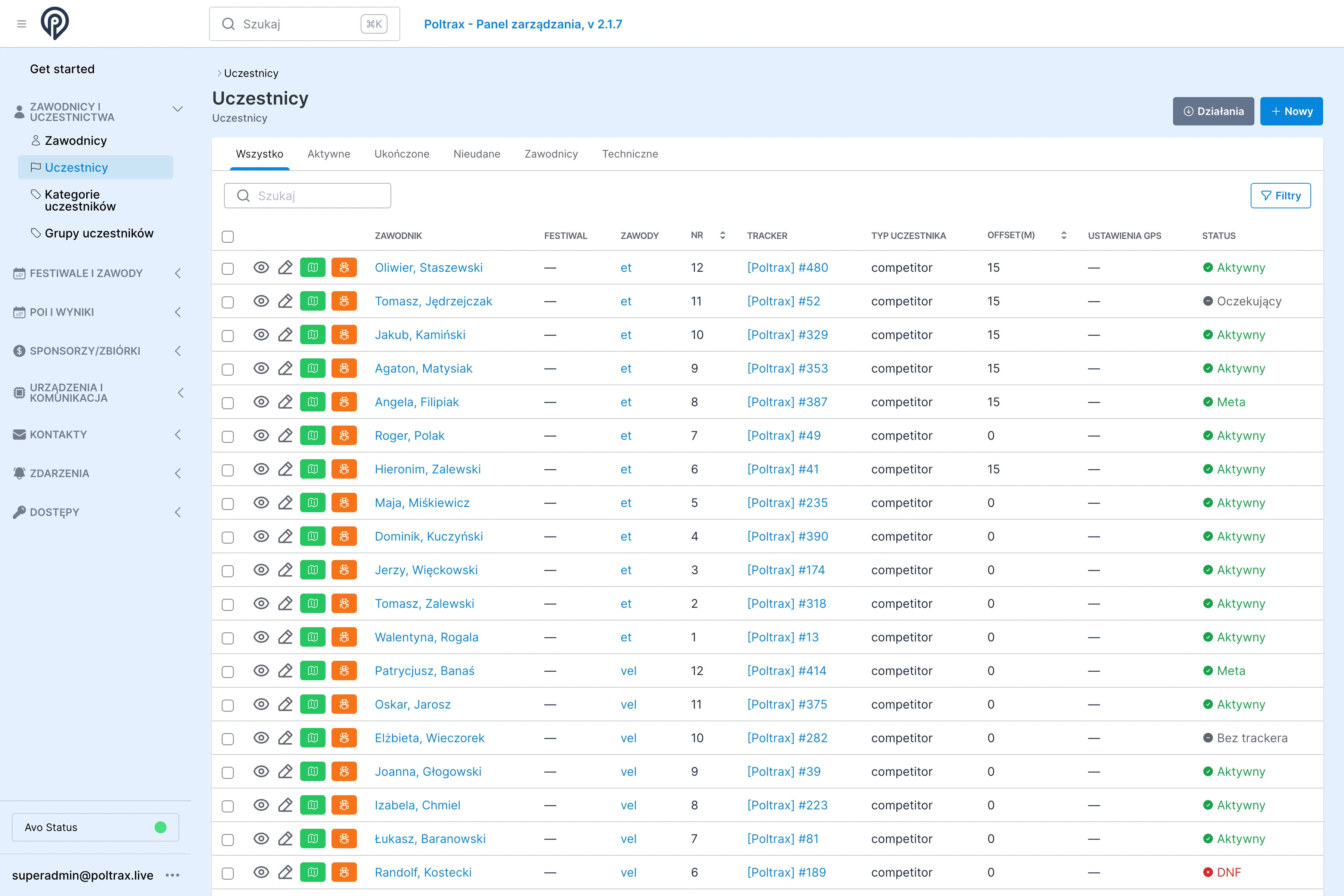
Work Scope
Domain Expert Consultation
We conducted comprehensive discussions with domain experts to identify enhancement opportunities and mapped existing workflows for potential AI integration areas. Through a collaborative session, we designed three targeted MCP tools to expand system capabilities and enhance user experience across different stakeholder groups.
Intensive Two-Day Prototyping Session
Our team organized and executed an intensive two-day prototyping session with 4 engineers, enabling rapid prototyping and proof-of-concept development. This collaborative approach allowed us to validate technical feasibility while accelerating the development timeline through focused team effort.
AI Technology Evaluation & Migration
We evaluated two MCP implementation frameworks - FastMCP and Ruby MCP SDK - to determine the optimal technical approach. Initially implementing the solution using FastMCP for rapid development, we subsequently migrated to Ruby MCP SDK to achieve enhanced functionality, better maintainability, and stronger integration with the existing Ruby on Rails infrastructure.
MCP Tools Development
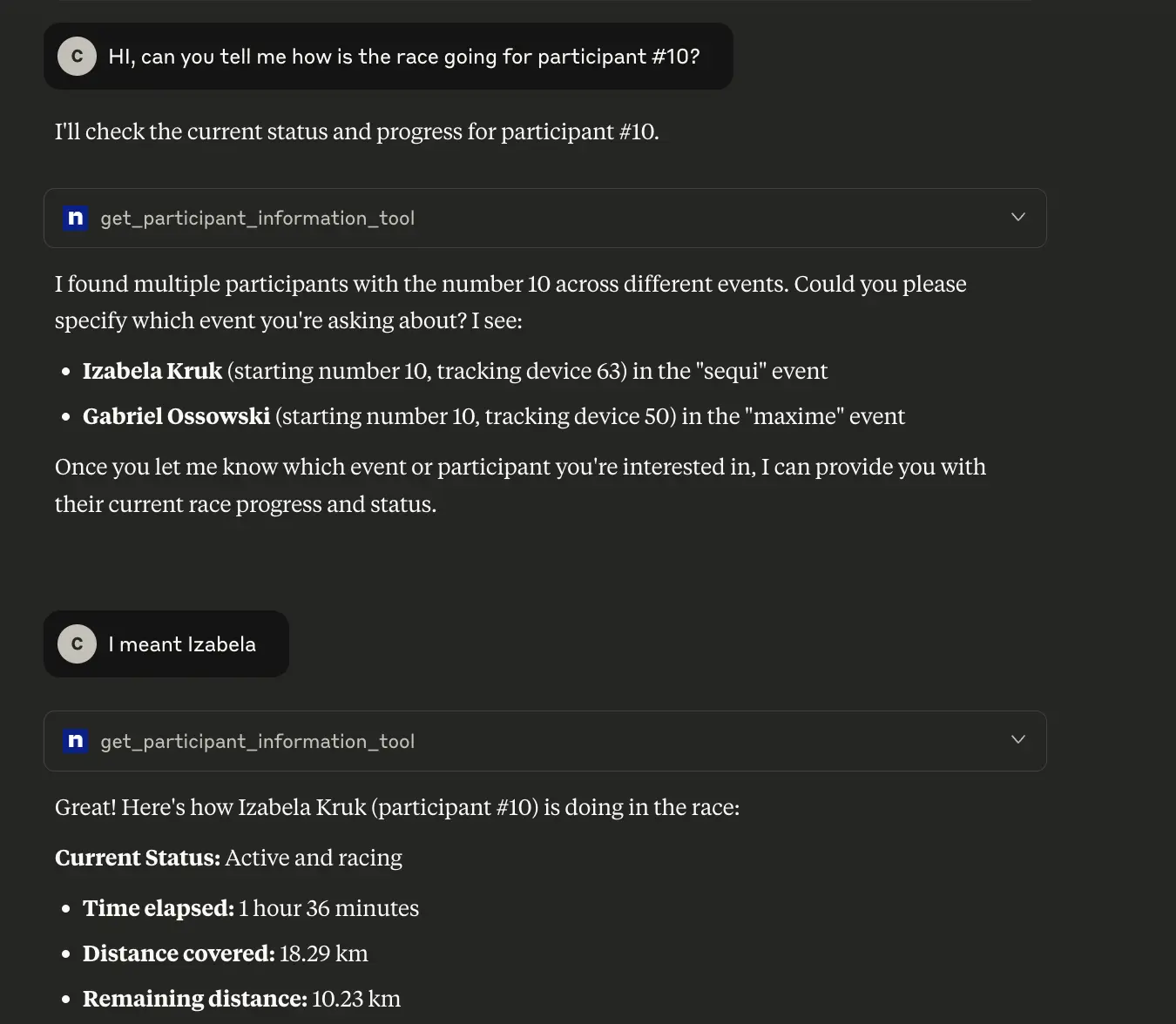
We developed an intuitive participant information chat interface, creating user-friendly access points that enable competitor families to interact with the system through conversational AI. This development focused on making complex race data accessible to non-technical users through natural language interactions.
Key Features
Participant Information Chat Interface
We aimed to develop an intuitive participant information chat interface, creating user-friendly access points that enable competitor families to interact with the system through conversational AI. This development focused on making complex race data accessible to non-technical users through natural language interactions.
Intelligent DNS Status Management
We implemented an intelligent DNS (Did Not Start) status management tool that automates the process of setting competitor statuses based on photographic evidence of tracking devices. Our solution analyzes device photos to determine which competitors failed to start, eliminating the need for manual verification and significantly reducing the administrative workload during pre-race preparations.
Smart DNF Status Confirmation
We developed a smart DNF (Did Not Finish) status confirmation system that automatically validates and sets competitor statuses when DNF situations are reported. The tool cross-references competitor position data, validates the information against race parameters, and confirms the status change, ensuring accuracy while streamlining what was previously a manual verification process.